

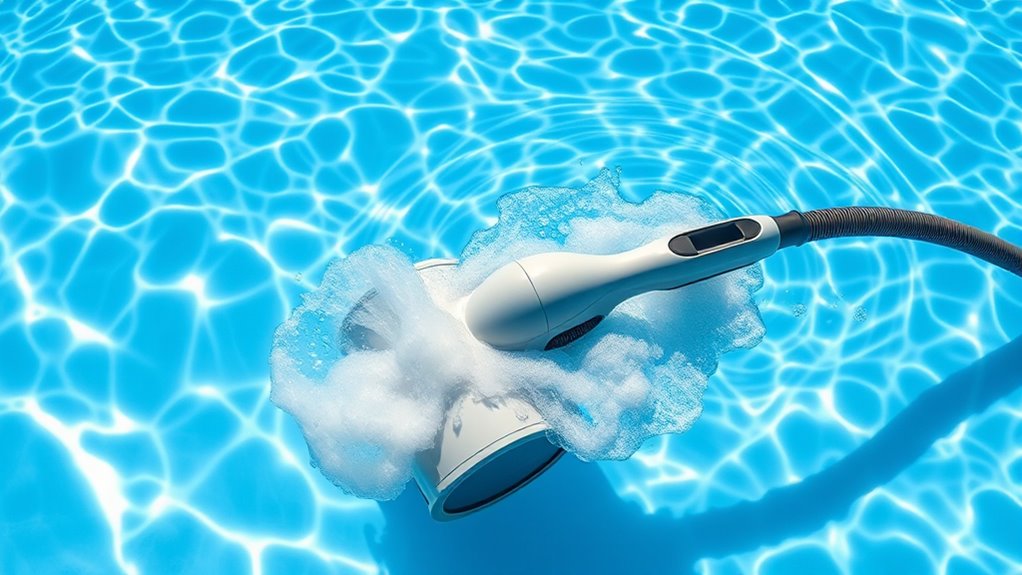
After cleaning your pool, you might notice the water turning cloudy, which can be frustrating after all your effort. This cloudiness often occurs because debris and tiny particles disturbed during cleaning remain suspended in the water before your filter has a chance to remove them.
Additionally, chemical imbalances—such as incorrect pH levels or low sanitizer—can reduce chlorine’s ability to kill algae and bacteria, causing particles to clump together and create a murky appearance.
Sometimes, leftover microscopic debris and issues with your filtration system also contribute to the problem, preventing your pool water from clearing up properly.
Understanding these common causes will help you identify why your pool looks cloudy after cleaning and what steps you can take to restore crystal-clear water.
In this article, I will explain the main reasons behind cloudy pool water after cleaning and how to fix them effectively.
Why Does Pool Water Get Cloudy Right After Cleaning?
Although you’ve cleaned your pool, the water can turn cloudy because disturbing settled debris causes particles to float back into the water. When you scrub the walls or vacuum the floor, you stir up dirt that had settled at the bottom. This suspended matter clouds the water, making it look murky.
Additionally, your filter might struggle to catch all these tiny particles immediately, especially if it’s dirty or running inefficiently. Even after thorough cleaning, small bits of dust, pollen, or algae can remain suspended, causing temporary cloudiness. It’s normal to see the water become less clear right after cleaning as these particles circulate before your filtration system clears them out.
How Chemical Imbalance Clouds Pool Water
While stirring up debris can make your pool look cloudy right after cleaning, chemical imbalances often cause persistent cloudiness. When your pool’s pH, alkalinity, or sanitizer levels are off, particles clump together, making the water appear murky.
If the pH is too high or too low, chlorine becomes less effective, allowing algae and bacteria to grow. Low alkalinity causes pH to fluctuate wildly, further destabilizing water clarity. Insufficient sanitizer levels fail to break down contaminants, leading to cloudy water.
To fix this, test your pool’s chemistry regularly and adjust the chemicals accordingly. Keeping your chemical balance in check guarantees clear, sparkling water and prevents long-term cloudiness after cleaning.
Why Leftover Debris Keeps Your Pool Water Cloudy
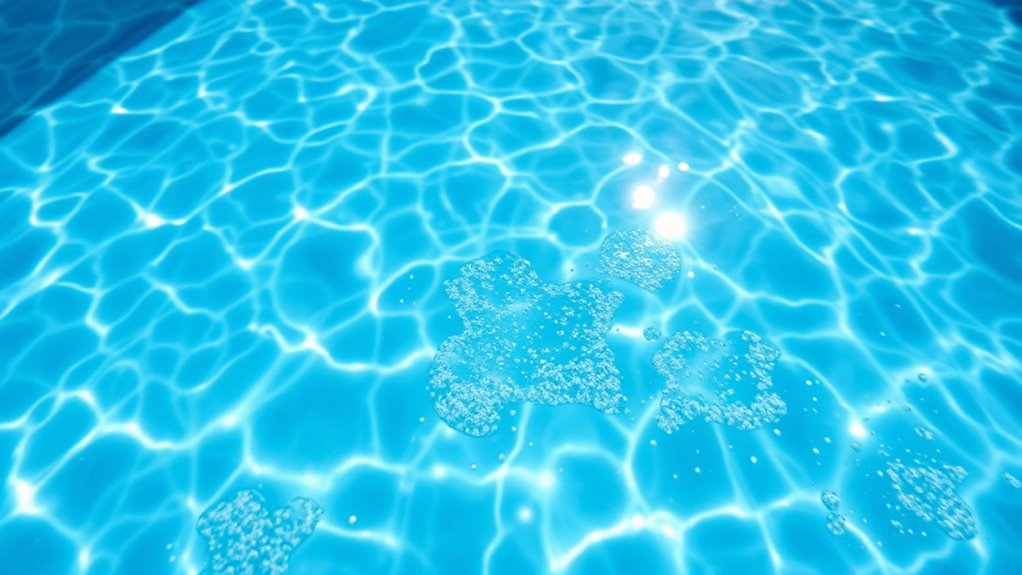
If you notice your pool water stays cloudy after cleaning, leftover debris might be the culprit. Tiny particles can stay suspended in the water when your filtration system isn’t strong enough to catch them. You’ll need to check if your filter is working properly or if it requires an upgrade.
Tiny Particles Suspended
Even after thorough cleaning, your pool water might remain cloudy because tiny particles are still suspended in it. These minuscule bits include dust, algae spores, and organic matter that your eyes cannot see but your pool water cannot hide.
When these particles float around, they scatter light, making the water look murky. Vacuuming or skimming won’t remove these microscopic offenders.
To clear them, use a pool clarifier or flocculant, which clumps these tiny particles together so they can be filtered out or settled to the bottom for easy vacuuming.
Understanding that leftover debris is not just visible dirt but also invisible particles helps you tackle cloudiness more effectively after cleaning.
Inadequate Filtration System
Because your filtration system plays a crucial role in removing debris, an inadequate or poorly maintained filter can leave particles suspended in your pool water, causing cloudiness. If your filter is clogged, dirty, or the wrong size for your pool, it won’t capture all contaminants effectively.
You need to clean or replace filter cartridges regularly and backwash sand or DE filters as recommended. Also, check that your pump runs long enough each day, usually 8 to 12 hours, to circulate and filter all the water properly.
If your system isn’t working efficiently, leftover debris keeps floating around, making your pool look cloudy even after cleaning. Staying on top of filtration maintenance ensures clear, sparkling water every time.
How Filter Problems Affect Pool Water Clarity
If your pool filter is clogged, it won’t trap dirt and debris effectively, leaving your water cloudy. You might think cleaning alone is enough, but a struggling filter can undo your efforts quickly. Let’s look at how filter problems directly impact your pool’s clarity.
Clogged Filter Issues
When your pool filter gets clogged, it cannot effectively remove debris and contaminants. This leaves your water cloudy despite your cleaning efforts. A clogged filter reduces water flow, causing particles to remain suspended and your pool to look murky.
You might notice higher pressure on the filter gauge or slower water circulation. Regularly checking and cleaning your filter is essential to prevent this issue.
| Symptom | Cause |
|---|---|
| Cloudy water | Debris trapped in filter |
| Increased filter pressure | Blockage from dirt buildup |
| Reduced water flow | Filter media clogged |
Addressing these clogged filter issues promptly will restore clarity and keep your pool inviting.
Ineffective Filtration Impact
Although your pool filter might seem functional, ineffective filtration can allow fine particles and contaminants to linger, causing cloudiness. If your filter media—whether sand, cartridge, or DE—is worn out or clogged, it won’t trap tiny debris properly. This means dirt, oils, and impurities remain suspended, making the water look hazy even after cleaning.
You might think the filter is doing its job, but if the flow rate is low or the filter pressure is off, it is not filtering efficiently. Regularly inspect and maintain your filter system by backwashing or replacing media as needed. Doing so guarantees your filter clears out microscopic particles, restoring your pool’s clarity and preventing recurring cloudiness.
When Algae Growth Causes Cloudy Pool Water
Algae growth can quickly turn your pool water cloudy, even after a thorough cleaning. If you notice a greenish or murky tint, algae might be the culprit.
Algae can swiftly cloud your pool water, even following a deep clean. Watch for greenish or murky hues.
It thrives in warm, sunny conditions and can multiply fast if your sanitizer levels drop or circulation is poor. Even tiny amounts can cause cloudiness, making your pool look uninviting.
You might also spot slippery surfaces or slimy patches, signs of developing algae. To prevent this, keep your chlorine levels steady and guarantee your filter runs long enough each day.
Regular brushing helps remove algae before it gets out of hand. Ignoring early algae growth lets it spread, affecting water clarity and safety. Stay vigilant to keep your pool sparkling clear.
How to Clear Cloudy Pool Water Fast After Cleaning
Keeping your pool free of algae is a key step, but sometimes cloudiness lingers after cleaning. To clear your pool water fast, start by testing and balancing water chemistry. Adjust pH, alkalinity, and chlorine levels as needed.
Next, shock the pool with a high dose of chlorine to kill remaining contaminants. Run your pool filter continuously for at least 24 hours to remove suspended particles. Using a pool clarifier helps gather tiny particles so the filter traps them more effectively.
Finally, brush and vacuum your pool thoroughly to eliminate debris trapped on surfaces. By following these steps, you’ll restore crystal-clear water quickly and enjoy a sparkling pool in no time.
Frequently Asked Questions
Can Weather Changes Cause My Pool Water to Become Cloudy?
Yes, weather changes can cause your pool water to become cloudy. Rain washes dirt and debris into the pool, overwhelming the filtration system.
Sudden temperature shifts impact water chemistry, making it harder to maintain balance. Wind stirs up dust and pollen, which also clouds the water.
After bad weather, check your chemical levels and clean your filters. These steps help restore your pool’s clarity quickly.
Does Swimming Frequency Impact Pool Water Clarity After Cleaning?
Yes, swimming frequency directly affects your pool’s water clarity after cleaning. More swimmers introduce oils, sweat, and debris that cloud the water quickly.
Jumping in right after cleaning adds contaminants faster than filtration and chemicals can manage. To maintain clear water, balance swimming with proper filtration and chemical adjustments regularly.
How Does Pool Size Affect the Time It Takes to Clear Water?
If your pool were as large as an ocean, clearing the water would take an extremely long time. Larger pools take longer to clear because there is more water to filter and treat. Smaller pools clear faster since the filtration system cycles through all the water more quickly. For massive pools, patience and consistent cleaning are essential for clear water results.
Are Certain Pool Covers Better for Preventing Cloudiness?
Yes, certain pool covers are more effective at preventing cloudiness. Choose covers that block debris and limit sunlight to reduce algae growth.
Solid covers or solar covers with UV protection work best. They keep contaminants out and help maintain water temperature.
Avoid mesh covers if cloudiness is a concern, as they allow fine debris and sunlight through, promoting algae buildup and cloudy water.
Can Pets Swimming in the Pool Contribute to Cloudy Water?
Pets swimming in your pool can cause cloudy water. Their fur, dirt, oils, and skin flakes introduce contaminants that affect water clarity.
These particles may overwhelm your filter, making it harder to keep the pool clear. Cleaning the filter more often helps maintain sparkling water.
Rinsing your pet before swimming reduces dirt and oils entering the pool, improving water quality. Regular maintenance ensures a clean and inviting pool environment.
Conclusion
If your pool stays cloudy after cleaning, don’t worry. It is a common issue caused by chemical imbalances, leftover debris, or filter problems.
For example, Sarah cleaned her pool but forgot to check the filter. Tiny particles remained suspended, clouding the water.
To fix this, balance your chemicals, remove debris thoroughly, and run your filter properly. With these steps, you’ll enjoy crystal-clear water in no time.