

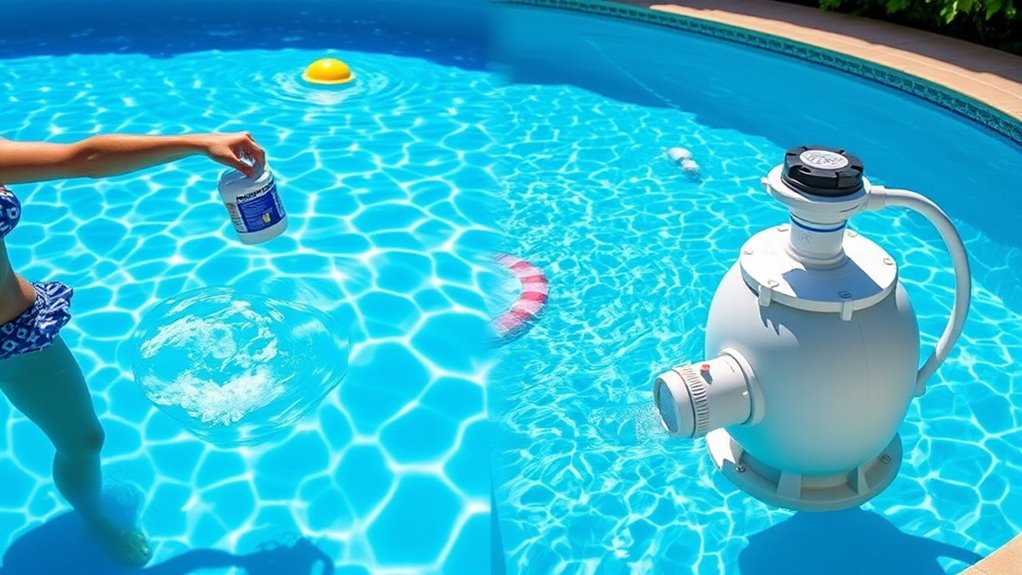
If your pool water has turned cloudy, it can be frustrating and uninviting. Cloudy water is often caused by imbalanced pool chemistry, inadequate filtration, or the presence of dirt and algae.
To restore crystal-clear water quickly, it’s essential to take a systematic approach starting with testing and adjusting your pool’s pH and chlorine levels. Proper filtration is equally important, so cleaning or replacing your pool filter ensures contaminants are effectively removed.
Additionally, physically removing debris by skimming, brushing, and vacuuming the pool helps eliminate suspended particles. Shocking your pool with a higher dose of chlorine will kill bacteria and algae, while using a pool clarifier helps gather fine particles for easier filtration.
Regular maintenance after clearing the cloudiness keeps your pool water sparkling and healthy.
In this article, I will explain the seven essential steps to clear cloudy pool water fast and keep it crystal clear.
Identify Common Causes of Cloudy Pool Water
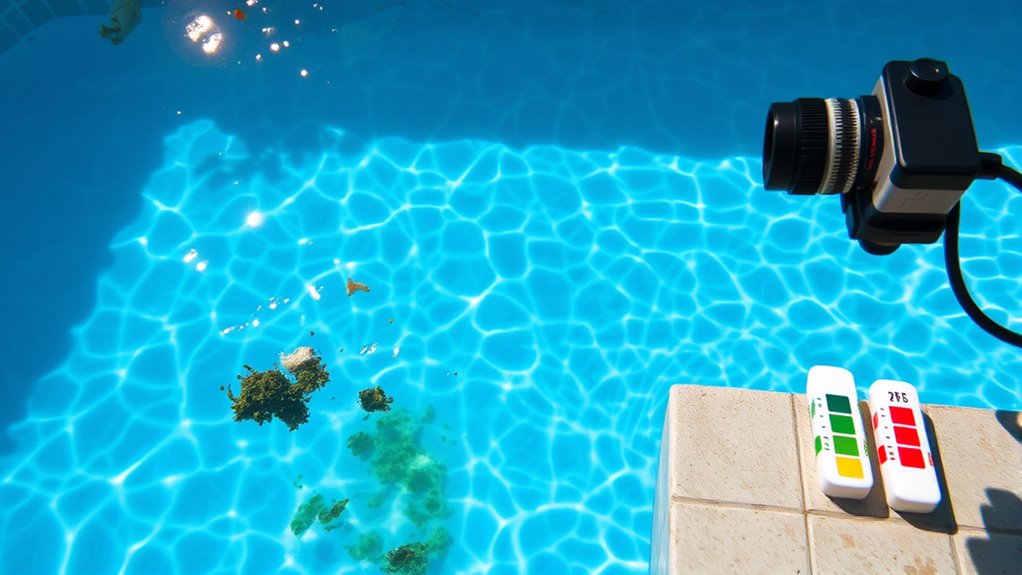
Several factors can cause your pool water to become cloudy, and identifying the right one is key to fixing the problem quickly. First, check your chemical balance. Imbalanced pH, alkalinity, or chlorine levels often lead to murky water.
Next, consider recent weather. Heavy rain or wind can introduce debris and dirt. Also, high swimmer load increases contaminants and overwhelms your sanitizer.
Poor circulation can cause stagnation, letting particles settle and cloud the water. Additionally, organic matter like leaves or algae growth contributes to cloudiness.
Finally, if you’ve recently added chemicals or shock-treated the pool, improper mixing might be the culprit. By pinpointing these common causes, you can take targeted action to restore your pool’s clarity efficiently.
Clean or Replace Your Pool Filter to Improve Clarity
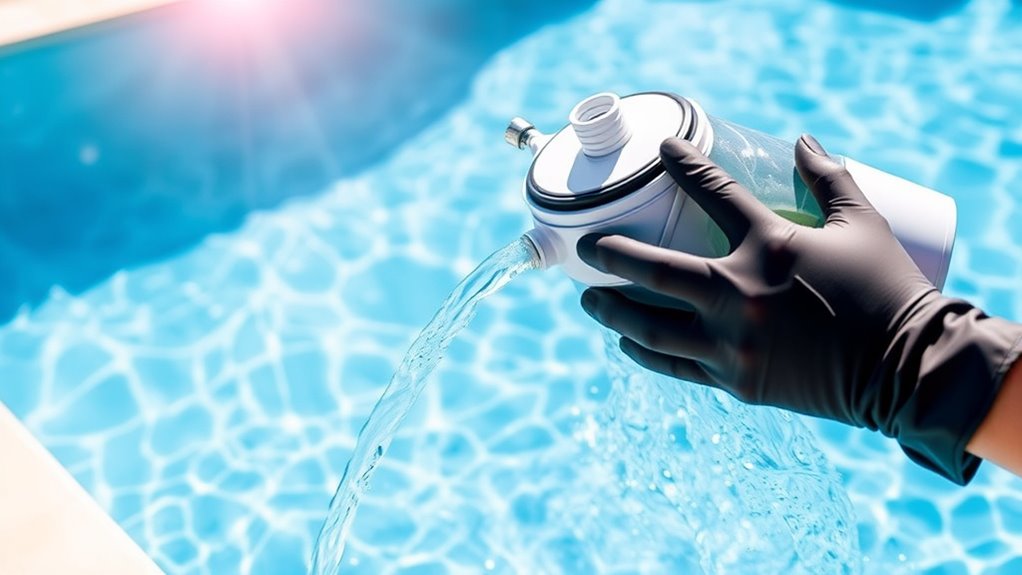
After pinpointing what’s causing your cloudy pool water, the next step is to ensure your pool filter works effectively. Your filter traps dirt and debris. A clogged or damaged filter reduces water clarity.
Start by turning off your pool pump, then inspect your filter for visible dirt or damage. If you have a cartridge filter, remove and rinse it thoroughly with a hose. For sand filters, backwash according to the manufacturer’s instructions to clear trapped particles.
If the filter media is old or worn out, replace it entirely. A clean or new filter guarantees your pool water circulates properly and stays clear. Regular maintenance of your filter is key to preventing future cloudiness and maintaining sparkling water.
Brush and Vacuum Your Pool Thoroughly
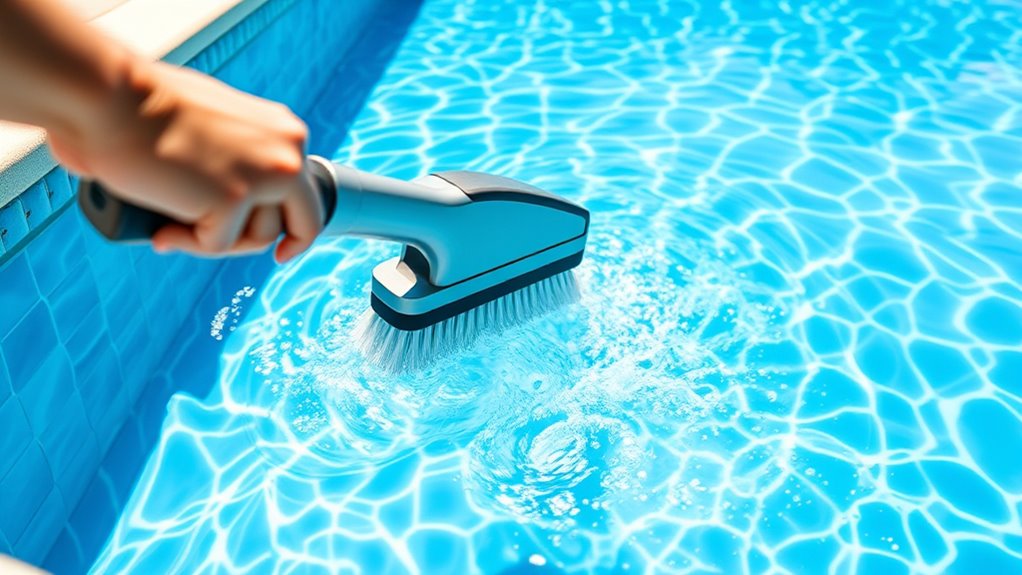
Though you’ve cleaned the filter, brushing and vacuuming your pool thoroughly is essential to remove stubborn debris and algae that cloud the water. Start by brushing the pool walls, floor, and steps with a nylon brush to dislodge algae and dirt. Don’t skip corners or behind ladders, as these spots often hide buildup.
Once brushed, vacuum the pool slowly and methodically to pick up all loosened debris. Use a manual vacuum for precise control or an automatic one if you’re short on time. Be sure to empty the vacuum bag or canister frequently to maintain suction power.
This step prevents particles from recirculating and keeps your water clearer. By brushing and vacuuming well, you’re setting the stage for bright, inviting pool water.
Test and Balance Your Pool Chemistry
Now it’s time to test your pool’s pH levels to make sure they’re in the ideal range. You’ll also want to check and adjust the chlorine amounts to keep the water properly sanitized. Balancing these chemicals will help clear up that cloudy water quickly.
Check pH Levels
Before you can clear up cloudy pool water, you need to check the pH levels. Unbalanced chemistry can cause cloudiness and irritate swimmers.
Use a reliable pool test kit to measure your pool’s pH, aiming for a range between 7.2 and 7.6. If the pH is too high, the water becomes cloudy and less effective at sanitizing.
If it’s too low, it can cause corrosion and discomfort. To raise pH, add soda ash or sodium carbonate. To lower it, use muriatic acid or sodium bisulfate.
Always follow the product instructions carefully and retest after adjusting. Keeping your pH balanced ensures clearer water and a safer swimming environment, setting the stage for the next steps in clearing your pool’s cloudiness.
Adjust Chlorine Amounts
How do you know if your pool’s chlorine levels are off? Test your water with a reliable kit. If chlorine is too low, bacteria and algae can thrive, making water cloudy.
Too much chlorine can irritate your skin and eyes. Modifying chlorine levels keeps the water clear and safe.
Use the table below to quickly identify your pool’s chlorine status and the next steps:
| Chlorine Level (ppm) | Status | Action |
|---|---|---|
| 0.0 – 0.5 | Too Low | Add chlorine |
| 0.6 – 1.5 | Ideal | Maintain current level |
| 1.6 – 3.0 | Slightly High | Reduce chlorine input |
| Above 3.0 | Too High | Stop adding chlorine; aerate water |
Regular testing and adjustment ensure your pool stays crystal clear.
Shock Your Pool to Clear Cloudy Water Fast
To clear cloudy water fast, you’ll need to shock your pool with the right type of shock for your water conditions. Apply it carefully to avoid damaging your pool or equipment, and follow up with proper post-shock care to restore balance. Let’s walk through how to choose, apply, and maintain your pool after shocking.
Choosing The Right Shock
What kind of shock should you pick to clear your cloudy pool water quickly? You want a shock that’s effective, safe, and suits your pool type. Not all shocks are created equal, so choosing the right one makes a big difference.
Consider these options:
- Calcium Hypochlorite (Cal-Hypo): Strong and fast-acting, great for regular chlorination.
- Sodium Dichlor: Stabilized and less harsh, good for frequent use.
- Potassium Monopersulfate (Non-Chlorine Shock): Ideal for quick clearing without chlorine smell.
- Lithium Hypochlorite: Fast dissolving and ideal for high pH pools.
- Chlorine-Free Shocks: Perfect if you want to avoid chlorine altogether.
Pick a shock that fits your pool’s needs and your schedule to clear cloudy water effectively.
Proper Shock Application
Once you’ve chosen the right shock for your pool, applying it correctly is the next step to clearing cloudy water quickly. Begin by testing your pool’s pH and adjusting it to between 7.2 and 7.6 to guarantee the shock works effectively.
Next, dissolve the shock in a bucket of water if using granular shock, following the instructions on the package. Pour the solution evenly around the pool’s perimeter, focusing on areas with poor circulation.
Run your pump and filter continuously for at least 8 hours to distribute the shock throughout the water. Avoid swimming during this period to let the shock eliminate contaminants and bacteria.
Proper application boosts the shock’s power, helping your pool clear up faster without wasting chemicals or time.
Post-Shock Water Care
Although you’ve applied shock to your pool, maintaining proper water care afterward is essential to clear cloudiness quickly and keep it gone. Monitor and balance your pool’s chemistry closely to prevent future issues. Here’s what you should do after shocking:
- Avoid swimming for at least 8 hours to let the shock work effectively.
- Test and adjust pH and chlorine levels daily until stable.
- Run your pool filter continuously to remove dead contaminants.
- Brush pool walls and floor to prevent algae buildup.
- Remove debris regularly to keep the water clear and clean.
Use a Pool Clarifier to Remove Fine Particles
Since fine particles can keep your pool water looking cloudy even after regular cleaning, using a pool clarifier helps by binding those tiny impurities together. When you add a clarifier, it acts like a magnet, gathering small particles into larger clumps that your filter can easily trap and remove.
Before applying, make sure your pool’s pH is balanced to maximize effectiveness. Pour the recommended amount directly into the water while the pump is running to distribute it evenly.
Within 24 to 48 hours, you should notice your water becoming clearer as the filter catches the combined particles. Using a clarifier is a quick, simple step that targets stubborn cloudiness, making your pool sparkle without extra heavy cleaning.
Keep Your Pool Clear With Regular Maintenance
Regular maintenance involves a few key tasks you can do weekly to keep your pool water crystal clear. By staying consistent, you prevent cloudy water and costly treatments. Focus on these essential steps:
- Test and balance your pool’s pH and chlorine levels.
- Skim debris off the surface daily to stop buildup.
- Brush pool walls and floor to prevent algae growth.
- Run your filter system for 8 to 12 hours each day.
- Vacuum the pool at least once a week to remove settled dirt.
Doing these tasks regularly keeps your pool inviting and reduces the chance of cloudy water. You’ll spend less time troubleshooting and more time enjoying your sparkling clean pool.
Frequently Asked Questions
Can Cloudy Pool Water Harm My Skin or Eyes?
Yes, cloudy pool water can irritate your skin and eyes due to chemical imbalances or contaminants. This may cause redness, itching, or discomfort.
Swimming in unsanitized cloudy water increases the risk of infections. To stay safe, avoid swimming until the water is clear and properly treated.
Always check your pool’s chemical levels before swimming to protect your skin and eyes from harm.
How Long Does It Take for Pool Water to Clear After Shocking?
It usually takes 24 to 48 hours for pool water to clear after shocking. Run your pump continuously to circulate chemicals and filter contaminants.
Monitor water clarity and test chemical levels regularly. If the water remains cloudy after 48 hours, check your filter or consider adding more shock.
Is It Safe to Swim Immediately After Using a Pool Clarifier?
You shouldn’t swim immediately after using a pool clarifier because it needs time to work and settle particles. Waiting 4 to 8 hours allows the clarifier to gather impurities, which the filter then traps. Swimming too soon can reduce its effectiveness and expose you to unsettled chemicals. Always check the product instructions for specific safety guidelines before using the pool.
What Type of Pool Filter Is Most Effective Against Cloudiness?
Think of your pool filter as the key to clear water. Sand filters are most effective against cloudiness by trapping tiny particles efficiently.
Cartridge filters also offer fine filtration and are easy to maintain. They provide a good balance between performance and convenience.
Avoid DE filters for quick cloudiness fixes since they need more care. Always choose a filter that fits your pool size and clean it regularly.
Can Weather Conditions Cause Sudden Pool Water Cloudiness?
Yes, weather conditions can cause sudden pool water cloudiness. Rain washes dirt and debris into the pool, making the water murky. Wind blows dust and leaves, disrupting water clarity.
Temperature changes also affect the chemical balance. This causes particles to clump and cloud the water. After storms or windy days, check and adjust your pool’s filtration and chemistry to keep it clear.
Conclusion
Clearing your cloudy pool water doesn’t have to feel like chasing shadows. By following these seven steps—identifying causes, cleaning filters, brushing, vacuuming, balancing chemicals, shocking, and using clarifiers—you’ll quickly bring back that sparkling clarity.
Remember, consistent maintenance is your best friend in keeping your pool inviting and crystal clear. Stick with these habits, and your pool will always be ready for a revitalizing dip, no matter the season!