

Keeping algae out of your pool is essential for maintaining clean, clear, and safe swimming water. Algae growth can quickly turn your pool green, cloudy, and unpleasant, making it uninviting and potentially harmful.
To prevent this, it’s important to regularly test and balance your pool’s water chemistry, including pH, chlorine, and alkalinity levels. Proper circulation through daily pump operation and frequent filter cleaning helps remove debris and stops algae from taking hold.
Additionally, limiting nutrients such as phosphates and nitrates that promote algae growth is crucial. Using algaecide treatments and performing weekly pool shocks can effectively kill algae spores before they become a problem.
Covering your pool when not in use also blocks sunlight and debris, further reducing algae growth.
In this article, I will explain seven easy tips to help you keep your pool algae-free all season long.
Test and Balance Your Pool Water Regularly
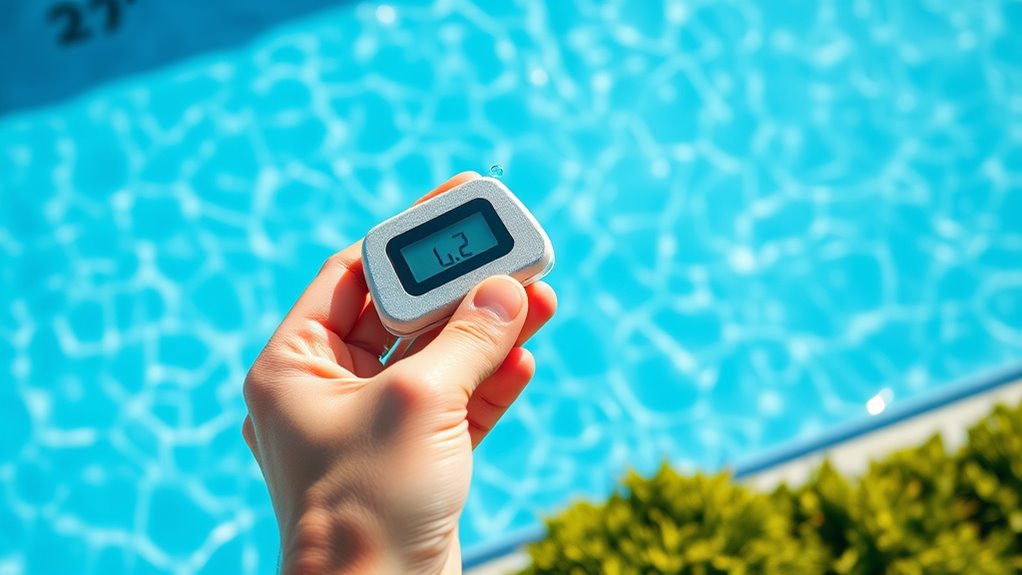
Although it might seem tedious, testing and balancing your pool water regularly is essential to prevent algae growth. You’ll want to check the pH level first—aim for a range between 7.2 and 7.6. When pH is off, chlorine won’t work effectively, giving algae a chance to thrive.
Next, test the chlorine level to make sure it stays between 1 and 3 ppm. If it dips, algae can start forming quickly. Don’t forget to monitor alkalinity, keeping it between 80 and 120 ppm, which helps stabilize pH.
Use a reliable test kit or strips, and test your water at least twice a week during swimming season. Staying on top of these numbers keeps your pool clear and algae-free without extra hassle.
Keep Your Pool Water Moving With Circulation and Filtration
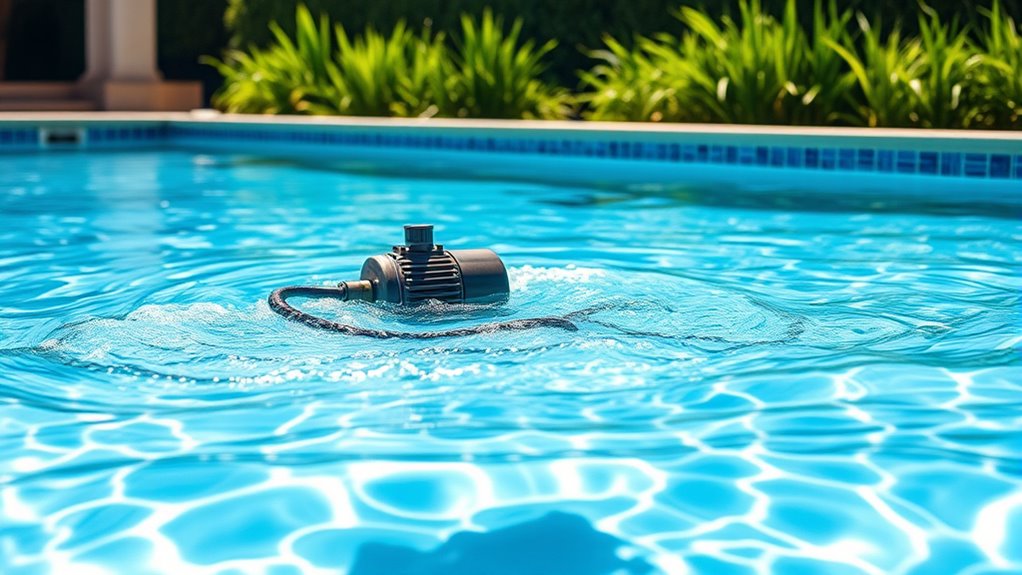
Because stagnant water creates the perfect environment for algae to grow, you need to keep your pool water moving through proper circulation and filtration. Running your pool pump daily helps distribute chemicals evenly and prevents algae spores from settling.
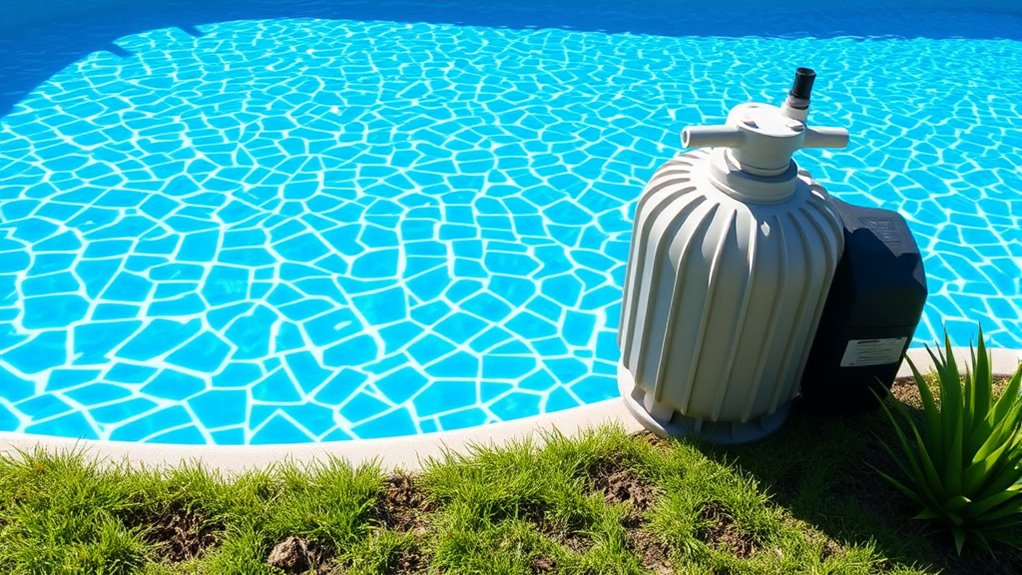
Aim to operate the pump for at least 8 to 12 hours a day, adjusting based on pool size and usage. Make sure your filter is clean and functioning well; clogged filters reduce water flow, giving algae a chance to take hold.
Regularly backwash or clean cartridge filters as needed. Also, check that all jets and returns are working properly to promote consistent water movement. By maintaining strong circulation and filtration, you’ll create an environment hostile to algae and keep your pool sparkling clear.
Limit Nutrients That Feed Algae Growth
You can keep algae at bay by cutting down on nutrients like phosphates and nitrates that feed its growth. Make sure to regularly remove organic debris and maintain your pool’s chemical balance. These simple steps help starve algae before it gets a chance to take hold.
Reduce Phosphates And Nitrates
Since algae thrive on nutrients like phosphates and nitrates, controlling their levels in your pool is essential to prevent growth. These nutrients act as food for algae, so lowering them makes your pool less inviting. Here’s how you can reduce phosphates and nitrates effectively:
- Regularly test your pool water to monitor phosphate and nitrate levels.
- Use phosphate removers available at pool supply stores when levels are high.
- Avoid using fertilizers or chemicals near the pool area that can introduce these nutrients.
- Maintain proper filtration and circulation to prevent nutrient buildup.
Control Organic Debris
While controlling chemical nutrients is essential, managing organic debris in your pool plays an equally important role in limiting algae growth. Leaves, grass clippings, and dirt are prime food sources for algae. Removing them promptly is vital.
Use a skimmer net daily to clear floating debris and vacuum the pool floor regularly to prevent buildup. Trim nearby trees and plants to reduce the amount of organic material falling into the water. Also, clean your pool’s filters frequently to guarantee they efficiently capture debris.
Manage Pool Chemical Balance
Although keeping your pool clean of debris is essential, managing its chemical balance is equally important to prevent algae growth. Algae thrive when nutrients like phosphates and nitrates are high, so you need to keep these in check. Here’s how you can manage your pool’s chemical balance effectively:
- Test water regularly to monitor pH, chlorine, and alkalinity levels.
- Adjust pH to stay between 7.2 and 7.6, creating an environment unfavorable to algae.
- Maintain proper chlorine levels (1 to 3 ppm) to kill algae spores before they grow.
- Use phosphate removers to reduce algae’s food source and limit its growth.
Skim and Brush Often to Remove Algae and Debris
To keep algae and debris from taking hold in your pool, skim the surface and brush the walls regularly. Skimming removes leaves, bugs, and other debris before they sink and contribute to algae growth. Use a fine mesh skimmer daily, especially during peak swimming seasons, to keep the water clear.
Brushing the pool walls and floor at least once a week helps dislodge algae spores and prevents them from sticking to surfaces. Focus on corners, steps, and areas with poor circulation where algae tend to form first. Be thorough but gentle to avoid damaging your pool’s finish.
Regular skimming and brushing, combined with proper chemical balance, create a cleaner environment that is less inviting for algae to develop.
Use the Right Pool Algaecide Effectively
When you want to keep algae under control, choosing the right pool algaecide is essential. Not all algaecides work the same, so pick one suited for your pool type and algae problem. To use it effectively, follow these steps:
- Test your pool water to ensure proper pH and chlorine levels before application.
- Apply the algaecide evenly across the water surface for maximum coverage.
- Use the recommended dosage on the label. More isn’t better and can cause issues.
- Run your pool filter continuously for at least 24 hours after applying to circulate the algaecide thoroughly.
Shock Your Pool Weekly to Kill Algae Spores
Since algae spores can multiply quickly and cloud your pool, you should shock your pool weekly to eliminate them before they take hold. Shocking involves adding a high dose of chlorine or non-chlorine shock to your water, which kills algae spores and bacteria on contact.
Make sure to test your pool’s chlorine levels before shocking to avoid over-chlorination. Pour the shock treatment evenly around the pool in the evening when the sun isn’t strong. Sunlight can reduce its effectiveness.
After shocking, keep the pump running for several hours to circulate the chemicals thoroughly. Regular weekly shocking disrupts algae growth cycles, keeping your water clear and safe. Don’t skip this step, especially during hot weather or after heavy pool use.
It’s a method to stay ahead of algae problems.
Cover Your Pool When It’s Not in Use
You’ll want to cover your pool whenever it’s not in use to block sunlight and debris that encourage algae growth. Choosing the right type of cover and keeping it clean will make a big difference in preventing algae buildup. Let’s look at the benefits, options, and maintenance tips for pool covers.
Benefits Of Pool Covers
Although leaving your pool uncovered might seem harmless, using a pool cover offers significant benefits that help keep algae at bay. When you cover your pool, you reduce sunlight exposure, which algae need to grow. Covers also prevent debris like leaves and dirt from entering the water, limiting nutrients that fuel algae blooms.
Here are four key benefits of pool covers:
- Blocks Sunlight – Minimizes algae growth by cutting off its energy source.
- Keeps Debris Out – Reduces organic matter that promotes algae development.
- Maintains Water Temperature – Helps stabilize temperature, discouraging algae-friendly conditions.
- Saves Chemicals – Cuts down on the need for excess chlorine or algaecides, keeping maintenance easier.
Using a pool cover is an easy, effective way to keep your pool clear and algae-free.
Types Of Pool Covers
Several types of pool covers are available to suit different needs and budgets. Choosing the right one can make a big difference in keeping your pool clean and algae-free. Solar covers trap heat and reduce evaporation. They help maintain water temperature while keeping debris out.
Winter covers are heavy-duty and protect your pool during off-seasons. They block sunlight that promotes algae growth. Automatic covers offer convenience with easy operation. They provide a tight seal to prevent debris and sunlight from reaching the water.
Mesh covers allow water to drain through but keep leaves and larger debris away. By selecting the best cover for your pool, you’ll reduce maintenance. This creates an effective barrier against algae and contaminants when your pool isn’t in use.
Proper Cover Maintenance
Selecting the right pool cover is the first step. Maintaining it properly helps keep algae at bay. When your pool isn’t in use, covering it blocks sunlight that feeds algae growth.
To keep your cover effective:
- Remove debris regularly to prevent mold and algae buildup on the cover.
- Check for tears or holes and repair them promptly to maintain a tight seal.
- Clean the cover with mild soap and water every few weeks to avoid dirt accumulation.
- Store the cover in a dry, shaded place when not in use to extend its lifespan.
Frequently Asked Questions
Can Algae Cause Health Issues for Swimmers?
Yes, algae can cause health issues for swimmers. Exposure to algae-contaminated water may lead to skin rashes, eye irritation, and ear infections.
Algae can also harbor harmful bacteria, increasing the risk of various illnesses. Keeping your pool clean and properly chlorinated prevents these health problems.
Regular pool maintenance is essential to protect yourself and others from potential health risks linked to algae growth.
What Types of Algae Are Most Common in Pools?
Green, black, and mustard algae are the most common types found in pools. Green algae bloom quickly, causing cloudy water and slippery surfaces. Black algae form tough patches that cling stubbornly to pool surfaces and resist scrubbing. Mustard algae is yellowish and powdery, thriving in shady, low-chlorine areas. Identifying these algae types helps you take proper action to keep your pool clear and safe all season.
How Does Weather Affect Algae Growth in Pools?
Warm, sunny weather accelerates algae growth because algae thrive in heat and sunlight. Heavy rain can dilute chlorine levels, reducing its effectiveness and speeding up algae spread. Cooler, cloudy days slow algae growth. Monitor your pool’s chemical balance closely during hot, sunny periods and after storms to prevent algae buildup.
Are Natural Remedies Effective Against Pool Algae?
Natural remedies like vinegar or baking soda may help slow algae growth but rarely eliminate it completely. For long-term algae control, stronger, pool-specific treatments are usually necessary. Relying only on natural options risks algae takeover, so combining methods ensures a healthier pool.
How Can I Prevent Algae After Pool Renovations?
After pool renovations, balance your water chemistry immediately and run your filter continuously to maintain strong circulation. Regularly shock your pool to eliminate any remaining algae spores.
Thoroughly clean and brush all pool surfaces to prevent algae buildup. Use algaecide as a precaution, especially during warm weather conditions.
Consistent maintenance is key to stopping algae growth and keeping your pool water clear and sparkling.
Conclusion
By tending to your pool like a gardener cares for a delicate flower, you create a sanctuary where algae cannot take root. Each test, brush, and shock acts as gentle rain nurturing clarity and calm.
Keeping your pool covered is like closing a book after a peaceful chapter, preserving the story you have crafted. With these steps, you are not only fighting algae but protecting a shimmering oasis where countless memories will bloom.